
Jose Rizal, often hailed as the Philip
pines' national hero, transcends the boundaries of time, leaving an significant mark on the nation's history, culture, and identity. As we delve into his life and legacy, we uncover an individual whose influence extends far beyond his lifetime.
Born on June 19, 1861, in Calamba, Laguna, Philippines, Rizal was the seventh child in a family of eleven. His parents, Francisco Mercado and Teodora Alonso, instilled in him the value of education and a strong sense of patriotism.
Rizal's intellectual prowess became evident early on, leading him to pursue higher education both in the Philippines and abroad. He studied at the Ateneo Municipal de Manila and later traveled to Europe, where he continued his studies in Madrid, Paris, and Heidelberg.
Rizal's experiences abroad exposed him to liberal ideas and ignited his passion for reforming the oppressive Spanish colonial regime in the Philippines. Through his writings and activism, he advocated for social justice, equality, and the rights of Filipinos.

Rizal's unwavering commitment to the Filipino cause led to his eventual martyrdom. In 1896, he was executed by firing squad in Bagumbayan (now Luneta Park), Manila, sparking the flames of revolution against Spanish colonial rule.
Despite his tragic end, Rizal's legacy endures. He symbolizes courage, resilience, and the spirit of nationalism. His martyrdom galvanized the Filipino people and fueled their determination to attain independence.
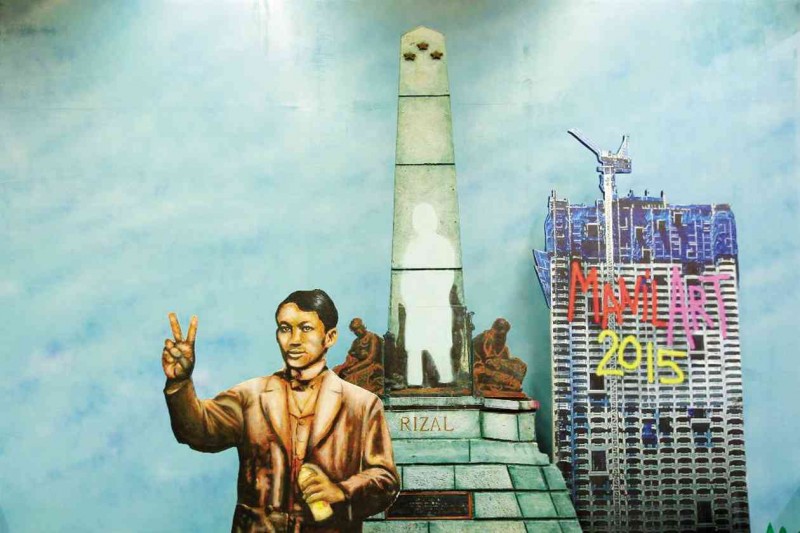
Rizal's teachings emphasize the importance of critical thinking, civic responsibility, and cultural pride. His belief in the power of education as a tool for liberation remains relevant in contemporary discussions on social justice and human rights.
References:
https://tolentinoange0510.medium.com/a-heros-legacy-b1f6ebbb83eb
https://opinion.inquirer.net/91712/will-real-jose-rizal-please-stand-up
https://climatereality.ph/2022/11/30/eleventh-hour-delikado-jose-rizal-and-the-environment/
http://www.blogger.com




No comments:
Post a Comment